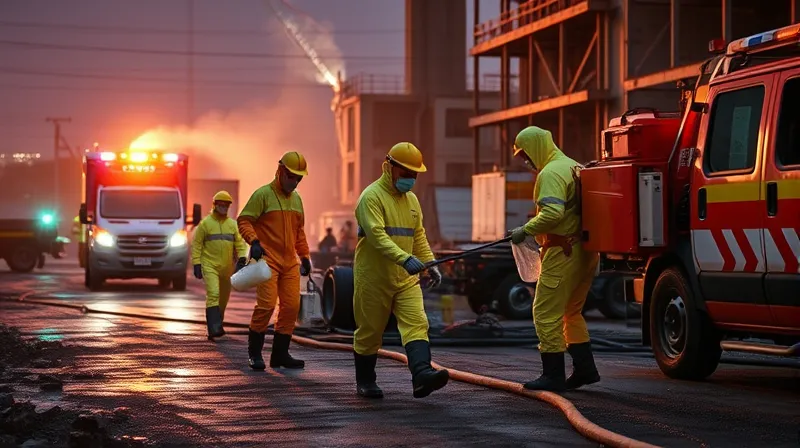
Pollution Liability Claims Prevention and Response Guide for Contractors
Pollution liability claims can devastate construction businesses through massive cleanup costs, business interruption, and long-term legal complications. Effective claims prevention and rapid response strategies are essential for protecting contractors from catastrophic environmental liabilities while ensuring business continuity.
Understanding Pollution Liability Claims
Pollution liability claims arise from environmental contamination that causes property damage, bodily injury, or cleanup obligations. Unlike traditional liability claims that typically involve sudden accidents, pollution claims often involve complex investigations, long-term remediation efforts, and multiple regulatory agencies.
The financial impact of pollution claims frequently exceeds other types of construction liability due to extensive cleanup requirements, regulatory oversight, and potential for long-term monitoring obligations. Understanding claim characteristics and development patterns enables contractors to implement effective prevention and response strategies.
Common Claim Scenarios
Equipment Fuel Spills: Hydraulic system failures, fuel tank ruptures, and refueling accidents represent the most frequent sources of pollution claims in construction. Even small spills can result in significant liability when they affect sensitive environments or groundwater supplies.
Existing Contamination Disturbance: Excavation activities that encounter existing contamination can trigger cleanup obligations and third-party claims. Contractors may face liability for contamination migration even when they didn't cause the original contamination.
Improper Waste Disposal: Violations of hazardous waste regulations during construction can result in regulatory enforcement actions and cleanup obligations. This includes improper disposal of asbestos, lead-contaminated materials, and petroleum products.
Proactive Claims Prevention Strategies
The most cost-effective approach to pollution liability management focuses on preventing incidents before they occur. Comprehensive prevention programs address common risk factors while creating systematic approaches to environmental protection.
Site Assessment and Planning
Thorough pre-construction environmental assessment provides the foundation for effective claims prevention by identifying potential contamination sources and sensitive environmental receptors. Phase I Environmental Site Assessments should be conducted for all projects with potential environmental exposure.
When Phase I assessments identify environmental concerns, additional investigation may be necessary to characterize contamination extent and develop appropriate management strategies. This information enables contractors to plan construction activities that minimize disturbance of existing contamination.
Environmental management plans should be developed for projects with identified environmental risks. These plans outline specific procedures for contamination avoidance, worker protection, and emergency response that can prevent minor incidents from becoming major claims.
Equipment Maintenance and Leak Prevention
Regular equipment maintenance represents one of the most effective pollution prevention measures for construction operations. Preventive maintenance programs should include systematic inspection of hydraulic systems, fuel tanks, and other potential leak sources.
Hydraulic System Management: Hydraulic fluid leaks account for a significant percentage of construction-related pollution incidents. Regular hose inspection, fitting maintenance, and fluid level monitoring can prevent most hydraulic system failures that result in environmental releases.
Fuel System Integrity: Daily equipment inspections should include fuel system components such as tanks, lines, filters, and connection points. Secondary containment for stationary fuel storage and mobile refueling operations provides critical protection against accidental releases.
Lubrication and Fluids Management: Oil changes and fluid maintenance should be conducted in designated areas with appropriate containment measures. Used oil and filters must be managed as hazardous waste in many jurisdictions, requiring proper collection and disposal procedures.
Training and Awareness Programs
Employee training programs ensure that workers understand environmental risks and proper response procedures. Training should be tailored to specific job functions and project-specific environmental conditions.
General Environmental Awareness: All construction workers should receive basic training on environmental protection, spill prevention, and reporting requirements. This training creates environmental awareness throughout the organization and ensures rapid incident reporting.
Specialized Training: Workers involved in high-risk activities such as fuel handling, equipment maintenance, or hazardous materials management require specialized training on specific procedures and regulatory requirements.
Emergency Response Training: Key personnel should receive training on pollution incident response procedures, including containment measures, notification requirements, and documentation procedures. Regular drills help ensure readiness for actual incidents.
Immediate Response Protocols
Rapid and appropriate response to pollution incidents can significantly minimize environmental impacts, regulatory complications, and ultimately claim costs. Effective response requires advance planning, trained personnel, and immediate access to necessary equipment and resources.
Incident Recognition and Assessment
Early recognition of pollution incidents enables rapid response that can prevent environmental contamination from spreading. Workers should be trained to identify potential pollution conditions including unusual odors, soil discoloration, stressed vegetation, and surface sheens on water.
Initial incident assessment should focus on immediate safety concerns and containment opportunities rather than detailed investigation. The primary objectives are protecting human health, preventing further environmental impact, and gathering basic information necessary for regulatory notifications.
Documentation should begin immediately with photographs, sketches, and written observations of incident conditions. This documentation provides crucial evidence for insurance claims and regulatory compliance while preserving information that may be lost during response activities.
Containment and Source Control
Immediate containment measures can prevent pollution incidents from becoming major environmental disasters. Construction sites should maintain spill response equipment including absorbent materials, containment booms, and personal protective equipment for emergency response.
Source Control: The first priority in pollution response is stopping the source of contamination. This may involve shutting down equipment, closing valves, or implementing temporary repairs to prevent continued releases.
Secondary Containment: Once the source is controlled, efforts should focus on preventing contamination spread through surface water runoff, groundwater infiltration, or vapor migration. Temporary barriers, absorbent materials, and cover systems can provide effective containment.
Recovery Operations: Prompt recovery of released materials minimizes environmental impact and reduces cleanup costs. Mobile pumping equipment, vacuum trucks, and specialized absorbents enable effective recovery operations for most construction-related spills.
Notification Requirements
Pollution incidents may trigger notification requirements for insurance carriers, regulatory agencies, and project stakeholders. Understanding notification requirements and deadlines is crucial for maintaining insurance coverage and regulatory compliance.
Insurance Notification: Most pollution liability policies require immediate notification of potential claims, typically within 24 to 72 hours of incident discovery. Failure to provide timely notice can jeopardize coverage and result in claim denials.
Regulatory Notifications: Federal and state regulations may require immediate notification of pollution releases above specified quantities. The National Response Center receives reports of hazardous substance releases, while state agencies often have additional notification requirements.
Client and Stakeholder Communication: Project clients and other stakeholders should be notified of significant incidents according to contract requirements. Early communication helps maintain relationships and enables coordinated response efforts.
Documentation and Evidence Preservation
Comprehensive documentation throughout pollution incidents provides essential support for insurance claims, regulatory compliance, and legal defense. Proper documentation practices can significantly improve claim outcomes while demonstrating good faith response efforts.
Initial Incident Documentation
Incident documentation should begin immediately upon discovery and continue throughout response and remediation activities. Initial documentation focuses on capturing conditions before response activities alter site conditions.
Photographic Evidence: Comprehensive photography should document incident conditions, environmental impacts, response activities, and recovery operations. Photos should include reference objects for scale and be organized chronologically with detailed captions.
Written Records: Detailed written records should document incident discovery, initial response actions, personnel involved, and observations about environmental conditions. These records provide crucial timeline information for claims and regulatory proceedings.
Witness Statements: Statements from individuals who discovered or witnessed incidents provide valuable perspective on incident causes and initial conditions. These statements should be obtained promptly while memories remain fresh.
Ongoing Documentation Requirements
Pollution incidents often involve extended response and remediation periods requiring continuous documentation of activities, costs, and environmental conditions. Systematic documentation practices ensure comprehensive record keeping throughout incident resolution.
Daily Activity Logs: Daily logs should document response activities, personnel involved, equipment used, materials consumed, and environmental observations. These logs provide detailed cost documentation and demonstrate response diligence.
Cost Tracking: Comprehensive cost tracking includes direct response costs, contractor fees, regulatory compliance expenses, and business interruption impacts. Detailed cost records support insurance claims and enable accurate financial impact assessment.
Sampling and Analysis Records: Environmental sampling results provide objective evidence of contamination extent and cleanup effectiveness. Chain of custody procedures and quality assurance measures ensure data integrity for regulatory and legal purposes.
Regulatory Compliance and Agency Coordination
Pollution incidents often involve multiple regulatory agencies with different requirements, priorities, and enforcement authorities. Effective agency coordination can streamline response efforts while ensuring comprehensive regulatory compliance.
Federal Agency Involvement
Environmental Protection Agency (EPA): EPA involvement typically occurs for significant contamination events affecting interstate waters or involving hazardous substances. EPA oversight can include enforcement actions, cleanup orders, and cost recovery proceedings.
Department of Transportation (DOT): Transportation-related pollution incidents may involve DOT oversight, particularly for hazardous materials transportation accidents. DOT investigations focus on transportation safety compliance and accident prevention.
Occupational Safety and Health Administration (OSHA): OSHA involvement may occur when pollution incidents affect worker health and safety. OSHA investigations examine workplace safety compliance and may result in citations and penalties.
State and Local Agency Coordination
State environmental agencies often have primary regulatory authority for pollution incidents within their jurisdictions. State agencies may have different cleanup standards, procedural requirements, and enforcement priorities than federal agencies.
Local fire departments and emergency responders typically provide initial incident response and may have ongoing oversight responsibilities. Coordination with local agencies helps ensure effective emergency response while maintaining community relations.
Local health departments may become involved when pollution incidents affect drinking water supplies, indoor air quality, or public health. Health department requirements often focus on exposure assessment and public protection measures.
Voluntary Cleanup Programs
Many states offer voluntary cleanup programs that provide streamlined oversight and liability protection for contamination cleanup. These programs can offer significant advantages over traditional enforcement-driven cleanup approaches.
Voluntary programs typically require comprehensive site investigation, cleanup plan development, and regulatory approval of remediation activities. In exchange, participants receive liability protection and streamlined regulatory oversight.
Early entry into voluntary programs can demonstrate good faith response efforts while providing certainty about cleanup requirements and completion criteria. Program participation may also qualify for reduced insurance deductibles or coverage enhancements.
Claims Investigation and Adjustment Process
Pollution liability claims involve complex investigation and adjustment processes that differ significantly from traditional liability claims. Understanding these processes helps contractors navigate claims effectively while protecting their interests.
Initial Claims Reporting
Claims reporting should include comprehensive information about incident circumstances, environmental conditions, response actions taken, and potential liability exposures. Complete initial reporting helps ensure appropriate claims handling and resource allocation.
Supporting documentation should be organized and readily available for claims adjusters and environmental consultants. This includes incident reports, photographs, response activity records, and regulatory correspondence.
Early involvement of experienced environmental attorneys may be advisable for significant claims involving regulatory enforcement or third-party liability. Legal counsel can help protect contractor interests while ensuring appropriate cooperation with investigations.
Investigation and Assessment
Claims investigation typically involves environmental consultants, technical experts, and legal counsel working together to assess incident causes, environmental impacts, and appropriate response strategies. Contractors should actively participate in investigations while protecting their legal interests.
Cause Investigation: Determining incident causes helps establish liability and may identify opportunities for cost recovery from other parties. Cause investigations should consider equipment failure, human error, design defects, and pre-existing conditions.
Impact Assessment: Environmental impact assessment determines contamination extent, potential receptors, and appropriate cleanup strategies. These assessments guide response planning and help establish cleanup costs and timeframes.
Liability Analysis: Legal analysis examines contract provisions, insurance coverage, and applicable regulations to determine liability allocation among potentially responsible parties. This analysis guides settlement negotiations and cost recovery efforts.
Cost Control and Mitigation Strategies
Pollution claims costs can escalate rapidly without effective cost control measures. Proactive cost management throughout response and remediation activities can significantly reduce total claim costs while ensuring appropriate environmental protection.
Early Intervention Benefits
Early intervention in pollution incidents can prevent contamination spread and reduce ultimate cleanup costs. Immediate response activities that may seem expensive initially often provide significant cost savings compared to delayed response approaches.
Prompt source control prevents continued contamination that could exponentially increase cleanup costs. Similarly, early containment measures prevent contamination migration that could affect larger areas and additional receptors.
Early involvement of qualified environmental professionals ensures appropriate response strategies and helps avoid costly mistakes during critical initial response periods. Professional guidance can prevent response activities that inadvertently worsen contamination or create additional liability exposures.
Technology Selection and Optimization
Remediation technology selection significantly affects cleanup costs and timeframes. Cost-effective technology selection requires balancing effectiveness, implementation timeframes, and long-term costs while meeting regulatory requirements.
In-Situ Treatment Technologies: In-place treatment methods often provide cost advantages over excavation and disposal approaches while minimizing disruption to ongoing construction activities. These technologies should be evaluated based on site-specific conditions and contamination characteristics.
Risk-Based Cleanup Approaches: Risk-based cleanup strategies focus remediation efforts on actual exposure pathways rather than generic cleanup standards. These approaches can provide significant cost savings while ensuring appropriate protection of human health and the environment.
Monitored Natural Attenuation: Natural biodegradation processes can provide cost-effective cleanup for certain types of contamination. Long-term monitoring programs verify natural attenuation effectiveness while minimizing active remediation costs.
Alternative Dispute Resolution
Pollution claims often involve multiple potentially responsible parties with complex liability relationships. Alternative dispute resolution mechanisms can provide cost-effective approaches to liability allocation while avoiding lengthy litigation.
Mediation and arbitration programs specifically designed for environmental disputes provide technical expertise and streamlined procedures for resolving complex liability issues. These programs often result in faster resolution and lower transaction costs than traditional litigation.
Early settlement negotiations can provide certainty about cleanup costs and liability allocation while avoiding escalating legal expenses. Settlement agreements should include appropriate liability protection and cost containment mechanisms.
Insurance Coverage Optimization
Maximizing insurance coverage for pollution claims requires understanding policy terms, maintaining compliance with policy conditions, and working effectively with insurance company personnel and consultants.
Policy Terms and Conditions
Pollution liability policies contain specific terms and conditions that affect coverage availability and claim handling procedures. Understanding these provisions helps contractors comply with policy requirements and maximize coverage benefits.
Notice Requirements: Timely notice is crucial for maintaining coverage under most pollution liability policies. Notice requirements typically specify timeframes (24-72 hours) and information that must be provided in initial notifications.
Cooperation Clauses: Policy cooperation clauses require insured parties to assist with claim investigations and defense efforts. Understanding cooperation requirements helps contractors balance their obligations with protection of their legal interests.
Coverage Triggers: Pollution policies may use different coverage triggers (occurrence, claims-made, manifestation) that affect when coverage applies. Understanding trigger provisions helps contractors coordinate coverage across multiple policy periods.
Claims Management Coordination
Effective coordination with insurance company claims personnel, environmental consultants, and legal counsel ensures appropriate resource allocation and consistent response strategies throughout claim resolution.
Regular communication with claims adjusters helps ensure understanding of response activities, cost projections, and potential coverage issues. Proactive communication can prevent misunderstandings that could jeopardize coverage or delay response activities.
Coordination between different insurance policies (general liability, pollution liability, excess coverage) requires careful attention to policy terms and carrier requirements. Primary and excess carriers may have different requirements and priorities that must be balanced.
Long-Term Monitoring and Closure
Pollution claims often require long-term monitoring programs to verify cleanup effectiveness and ensure continued protection of human health and the environment. Effective monitoring programs provide regulatory closure while minimizing ongoing costs.
Monitoring System Design
Monitoring system design should be based on site-specific conditions, contamination characteristics, and regulatory requirements. Effective monitoring programs balance comprehensiveness with cost-effectiveness while providing reliable data for decision-making.
Monitoring well networks should be designed to detect contamination migration and verify cleanup effectiveness. Well placement considerations include contamination source areas, potential migration pathways, and receptor locations.
Sampling and analysis protocols should be consistent with regulatory requirements and data quality objectives. Standardized procedures ensure data comparability over time while meeting regulatory acceptance criteria.
Regulatory Closure Strategies
Regulatory closure provides finality for pollution claims while protecting contractors from future liability for addressed contamination. Closure strategies should be developed early in response planning to ensure appropriate documentation and regulatory coordination.
No Further Action (NFA) letters provide regulatory acknowledgment that cleanup objectives have been achieved and no additional remediation is required. NFA letters typically require demonstration that contamination levels meet applicable cleanup standards.
Institutional controls may be necessary when contamination remains above unrestricted use levels. These controls include deed restrictions, groundwater use limitations, and ongoing monitoring requirements that must be maintained long-term.
Lessons Learned and Continuous Improvement
Each pollution incident provides valuable learning opportunities that can improve future prevention and response efforts. Systematic evaluation of incident causes, response effectiveness, and cost drivers enables continuous improvement in environmental risk management.
Incident Analysis and Root Cause Investigation
Comprehensive incident analysis should examine technical causes, management system failures, and organizational factors that contributed to pollution incidents. Root cause analysis helps identify systematic improvements that can prevent similar incidents.
Technical analysis should consider equipment failures, material defects, design inadequacies, and maintenance deficiencies that contributed to incidents. This analysis guides equipment selection, maintenance program improvements, and design modifications.
Management system analysis examines training adequacy, procedure effectiveness, supervision quality, and communication systems. This analysis helps identify organizational improvements that can enhance environmental protection.
Best Practice Development
Lessons learned from pollution incidents should be incorporated into standard operating procedures, training programs, and risk management systems. Best practice development ensures that organizational learning is preserved and applied to future projects.
Written procedures should be updated based on incident experience and industry best practices. Regular procedure reviews ensure continued relevance and effectiveness as projects and regulations evolve.
Training programs should incorporate real-world examples and lessons learned to enhance employee understanding and engagement. Case study approaches help workers understand how environmental protection principles apply to actual work situations.
Frequently Asked Questions
Q: What should I do immediately when I discover a potential pollution incident?
A: Stop work in the affected area, ensure worker safety, contain the source if safely possible, document conditions with photos, notify your insurance carrier and environmental consultant, and report to regulatory agencies as required. Do not attempt cleanup without proper assessment and planning.
Q: How quickly must I report pollution incidents to my insurance company?
A: Most pollution liability policies require notification within 24-72 hours of incident discovery. Check your specific policy terms for exact requirements. Late notification can jeopardize coverage, so err on the side of early reporting even for minor incidents.
Q: Can I clean up small spills without involving insurance or regulators?
A: While small spills may not require regulatory notification, you should still notify your insurance carrier to maintain coverage. Self-cleanup may be appropriate for minor incidents, but document all actions taken and costs incurred. When in doubt, consult with environmental professionals.
Q: What documentation is most important for pollution liability claims?
A: Critical documentation includes incident discovery records, initial response actions, photographs of conditions and activities, cost tracking records, environmental sampling results, and regulatory correspondence. Start documenting immediately and maintain detailed records throughout response activities.
Q: How do I prevent pollution incidents from recurring?
A: Implement comprehensive prevention programs including regular equipment maintenance, employee training, pre-project environmental assessments, proper material storage and handling procedures, and emergency response planning. Learn from incidents and continuously improve your environmental management systems.
Q: Who should I contact first during a pollution emergency?
A: Prioritize immediate safety concerns first (911 if needed), then contact your environmental consultant, insurance carrier, and regulatory agencies as required. Establish emergency contact procedures before incidents occur to ensure rapid response.
Q: What regulatory agencies might get involved in pollution incidents?
A: Potential agencies include EPA, state environmental agencies, local fire departments, health departments, and OSHA. Agency involvement depends on incident characteristics, location, and magnitude. Prepare for multi-agency oversight in significant incidents.
Q: How can I minimize costs during pollution incident response?
A: Focus on rapid source control and containment, use qualified environmental professionals, implement cost-effective remediation technologies, maintain detailed cost records, and coordinate with insurance carriers throughout the process. Early intervention typically reduces total costs.
Q: Will pollution incidents affect my ability to get future insurance coverage?
A: Claims history affects insurance pricing and availability, but carriers also consider response effectiveness, lessons learned implementation, and overall risk management improvements. Demonstrating proactive risk management can mitigate negative impacts on future coverage.
Q: Should I hire my own environmental consultant or use insurance company consultants?
A: Both approaches have advantages. Insurance company consultants understand carrier requirements and procedures, while independent consultants may provide additional perspective and advocacy. Consider hiring independent counsel for significant claims involving regulatory enforcement or complex liability issues.
Conclusion
Effective pollution liability claims prevention and response requires comprehensive planning, systematic implementation, and continuous improvement based on experience and industry best practices. Contractors who invest in prevention programs and response capabilities protect their organizations from catastrophic liabilities while demonstrating environmental stewardship.
The key to successful pollution liability management lies in understanding that prevention is far more cost-effective than response, but when incidents occur, rapid and appropriate response can significantly minimize ultimate costs and liabilities. This requires advance planning, trained personnel, and established relationships with environmental professionals and insurance carriers.
As environmental regulations continue to evolve and enforcement efforts intensify, contractors with strong pollution prevention and response capabilities will enjoy competitive advantages through reduced liability exposures, lower insurance costs, and enhanced relationships with clients and regulatory agencies. The investment in comprehensive environmental risk management programs pays dividends through avoided claims and enhanced business sustainability.
Prepare Your Business for Environmental Incidents
Develop comprehensive pollution liability prevention and response strategies with expert guidance and specialized insurance coverage. Protect your contracting business from environmental claims through proactive risk management.