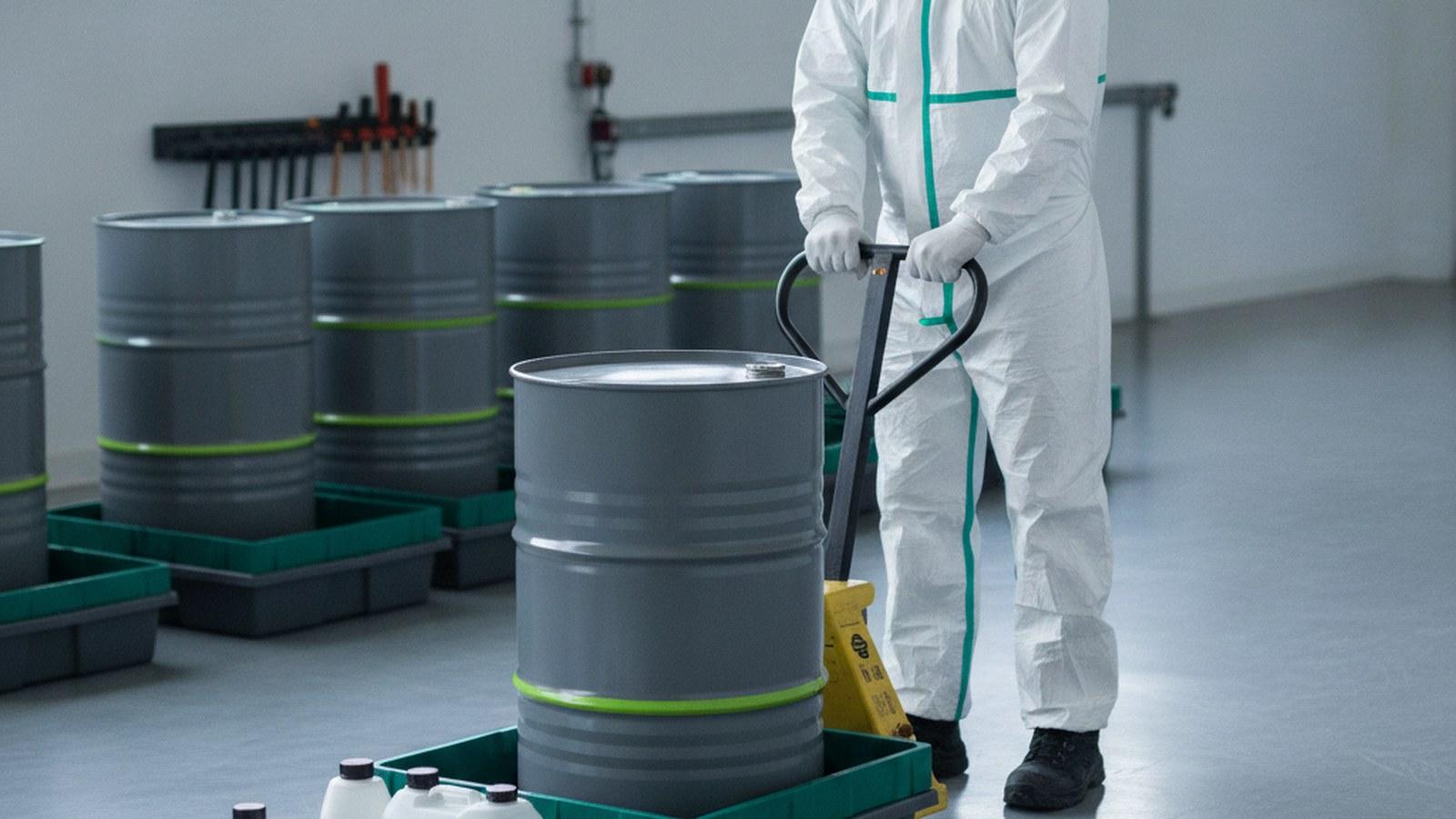
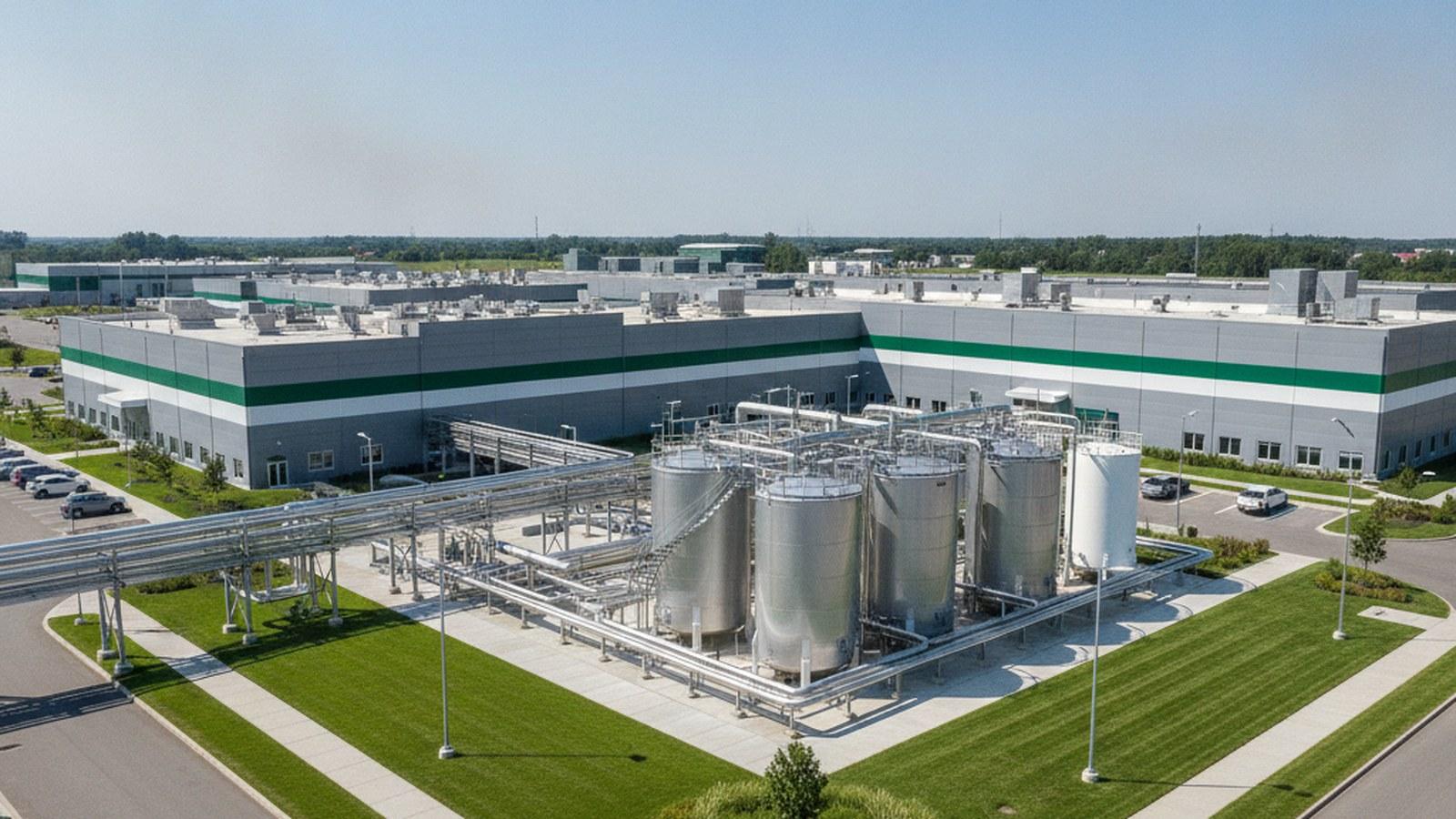
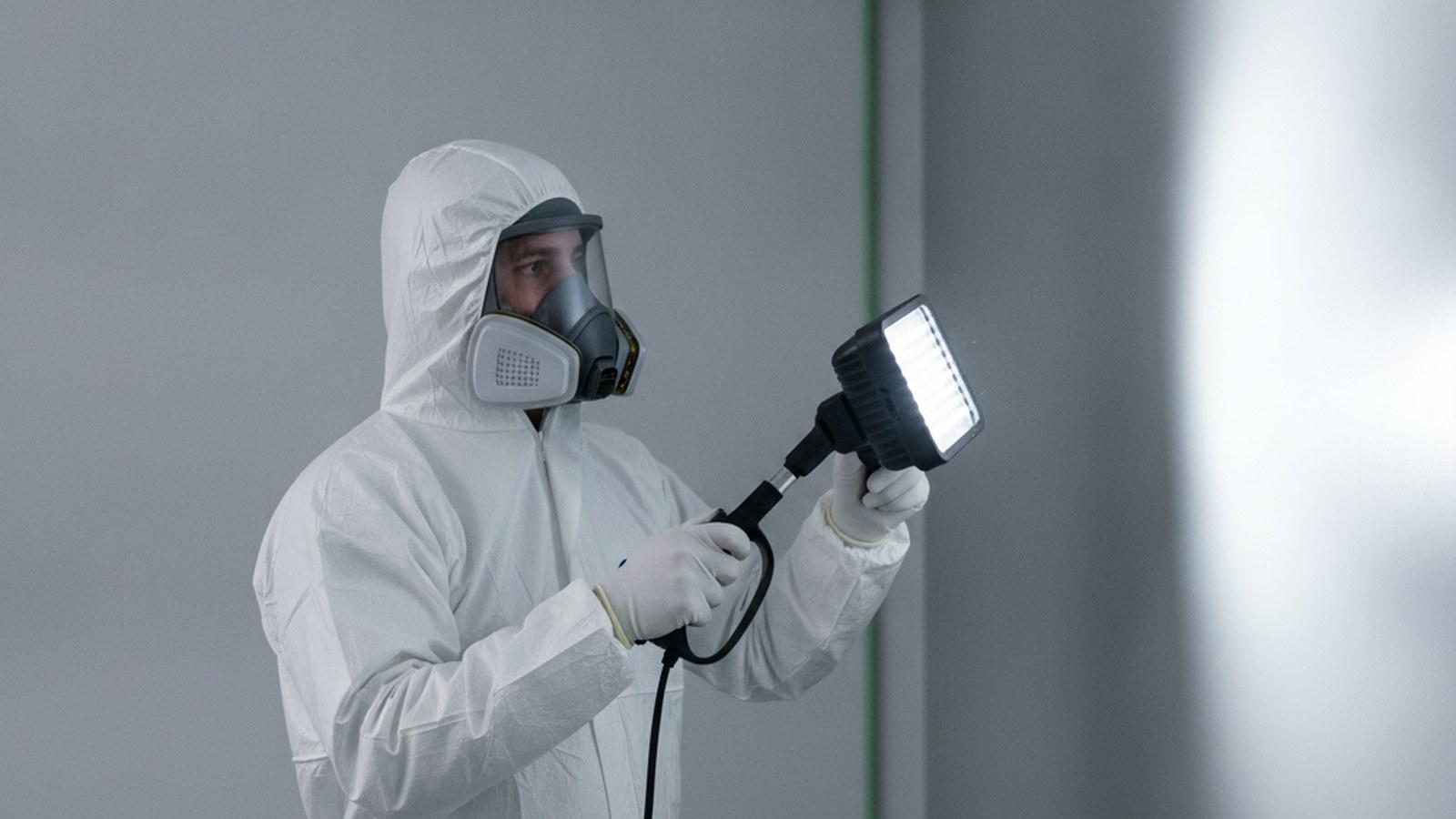
From core CPL policies to environmental E&O and remediation cost caps, Contractors Choice Agency places the full spectrum of pollution and environmental coverages for contractors nationwide.
Every coverage below is available through our specialty carrier relationships. Most standard brokers can't access these markets — we can.
The core policy every contractor with pollution exposure needs. CPL covers third-party bodily injury and property damage arising from pollutants released during your work operations — fuel spills during excavation, silica dust generated from cutting concrete, chemical overspray from coatings or solvents. Standard commercial general liability policies contain an absolute pollution exclusion that eliminates these claims entirely. CPL fills that gap and is increasingly required on public works projects and by general contractors on large jobs.
Covers errors and omissions in environmental assessments, site characterization reports, Phase I/II studies, and remediation design plans. Critical for environmental consultants, industrial hygienists, and testing contractors whose professional advice can expose clients to EPA enforcement actions or costly remediation cost overruns. If your report misses a contaminant plume or underestimates the extent of contamination, this coverage responds where standard professional liability policies typically carve out pollution-related claims.
Covers pollution conditions that existed on — or migrate from — a site you own, lease, or operate. This is distinct from CPL, which covers pollution events arising from your active work operations. Site pollution liability addresses historical contamination risk: legacy underground storage tanks, old industrial fill, prior operations by previous site owners. Essential for developers, property managers, and contractors who take on leases or purchase contaminated industrial land for redevelopment.
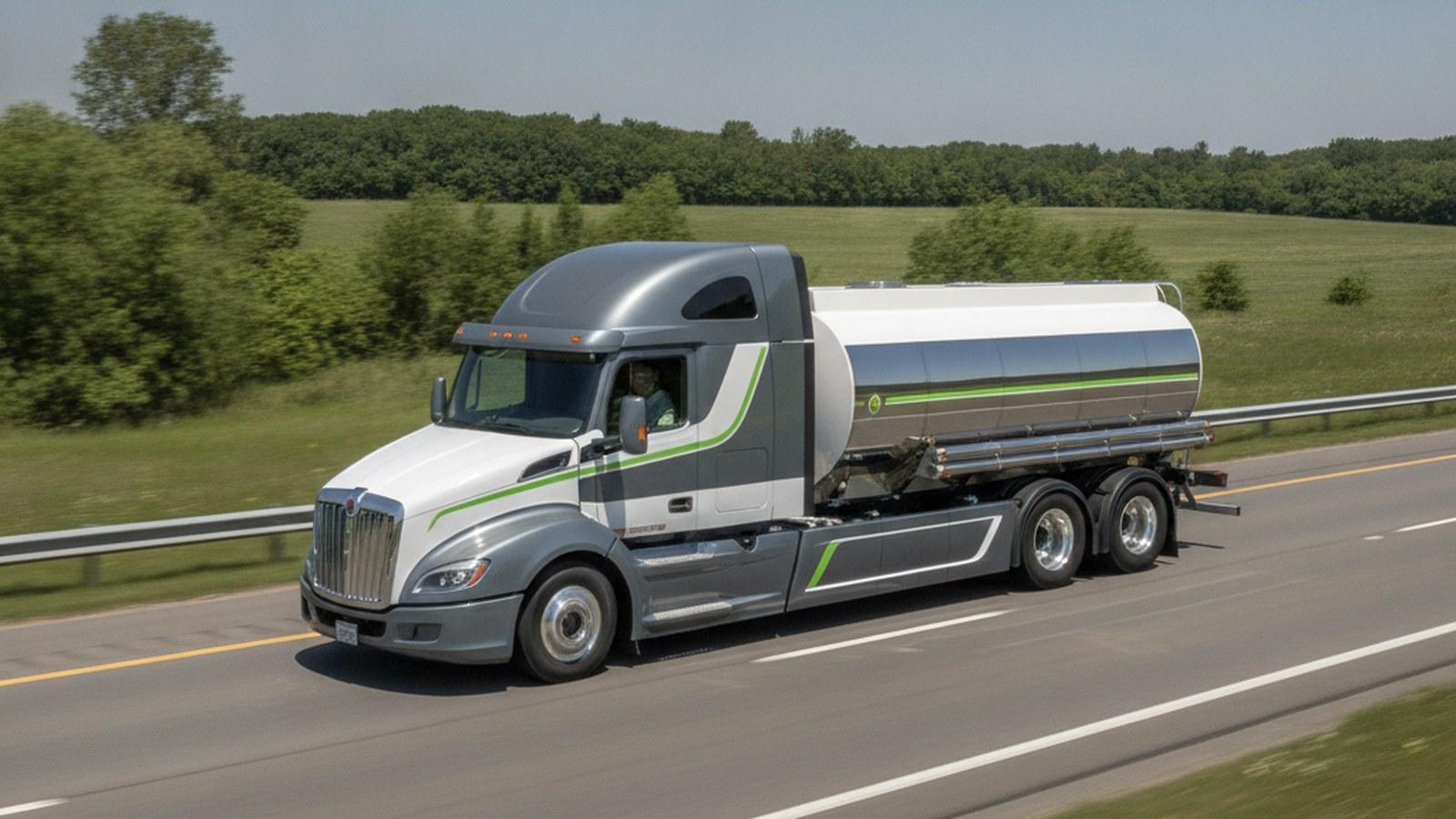
Covers pollution incidents that occur during the transportation or off-site disposal of waste materials, contaminated soil, hazardous materials, or regulated substances. Standard auto liability does not cover pollution events during transit. This coverage applies to third-party bodily injury and property damage from loading, unloading, and transport operations. MCS-90 endorsements are available for motor carriers regulated under federal hazardous materials transport rules, ensuring compliance for licensed waste haulers.
Also called environmental stop-loss or cost overrun coverage, this policy protects environmental contractors, developers, and brownfield redevelopers from unexpected contamination extent driving cleanup costs far beyond original projections. Coverage kicks in when actual remediation costs exceed an agreed baseline, up to a specified cap — typically up to 200% of the contracted project budget. Invaluable on large remediation contracts where encountering unexpected contaminant depth, additional plumes, or regulatory requirement changes can dramatically alter project economics.
Standard commercial general liability and workers' compensation bundled with CPL for comprehensive contractor protection under one broker relationship. Contractors with pollution exposure require separate GL classification due to that exposure — standard contractor GL rates and forms are built for clean-operation construction, not hazmat or remediation work. We structure the GL, workers' comp, and CPL together so coverage layers are coordinated and gaps between policies are eliminated before a claim reveals them.
The Insurance Services Office (ISO) Commercial General Liability form contains what carriers call the "absolute pollution exclusion." This exclusion eliminates coverage for bodily injury or property damage "which would not have occurred in whole or in part but for the actual, alleged, or threatened discharge, dispersal, seepage, migration, release or escape of pollutants." The definition of "pollutants" is broad: smoke, vapors, soot, fumes, acids, alkalis, chemicals, and waste.
In practice, this means your standard GL policy will not respond to a fuel spill that contaminates a neighbor's well, silica dust exposure claims from workers or bystanders, chemical overspray that damages adjacent property, or runoff from your job site carrying contaminants into a drainage system. Carriers routinely deny these claims under GL policies — and they win those coverage disputes in court.
For any contractor who handles chemicals, fuels, treated soil, solvents, refrigerants, asbestos, mold, lead paint, or waste materials, CPL is not optional coverage — it is the only policy that will actually pay a pollution-related claim. Contractors operating without it are carrying uninsured pollution risk that can result in six- or seven-figure uncovered losses.
Limits vary by contractor size, project type, and carrier. The ranges below represent what we commonly place. Higher limits are available through umbrella/excess layers.
| Coverage | Typical Limits Available | Notes |
|---|---|---|
| CPL Per Occurrence | $1M – $5M | Per-incident limit; most government contracts require $1M minimum |
| CPL Aggregate | $2M – $10M | Total policy-period limit across all incidents |
| Environmental E&O | $1M – $5M | Claims-made basis; prior acts coverage available |
| Transportation Pollution | $1M per load | Can be structured per-load or per-occurrence annual |
| Remediation Cost Cap | Up to 200% of project budget | Structured per project; requires remediation cost estimate |
| Umbrella / Excess | $5M – $25M | Sits above CPL and GL; required by many large GCs and public agencies |
Tell us your trade, your project types, and your revenue — we'll match you with the right carrier and structure your coverage correctly.
Request a Quote Read the FAQ