Who needs CPL
The trades that carry pollution exposure
If your work disturbs soil, moves fuel, applies coatings, touches water, or hauls materials, you carry pollution exposure your general liability excludes. Here's where CPL matters most.
Earth & Demolition
Disturbing soil and structures releases contaminants.
- Excavation & grading
- Demolition
- Utility & pipeline
- Site development
- Foundation & shoring
- Soil & material hauling
Environmental & Abatement
Work defined by handling contamination.
- Environmental remediation
- Asbestos abatement
- Lead abatement
- Mold remediation
- Tank installation/removal
- Spill response
Mechanical & Coating
Chemicals, fuels, and moisture create exposure.
- HVAC & mechanical
- Plumbing
- Coating, painting & sealing
- Roofing & waterproofing
- Flooring & epoxy
- Fuel systems
Transport & Sites
Hauling materials and operating sites add exposure.
- Waste & material haulers
- Fuel transport
- Contractors with yards/shops
- Property owners & developers
- Design-build & consulting
- Anyone storing fuel or chemicals
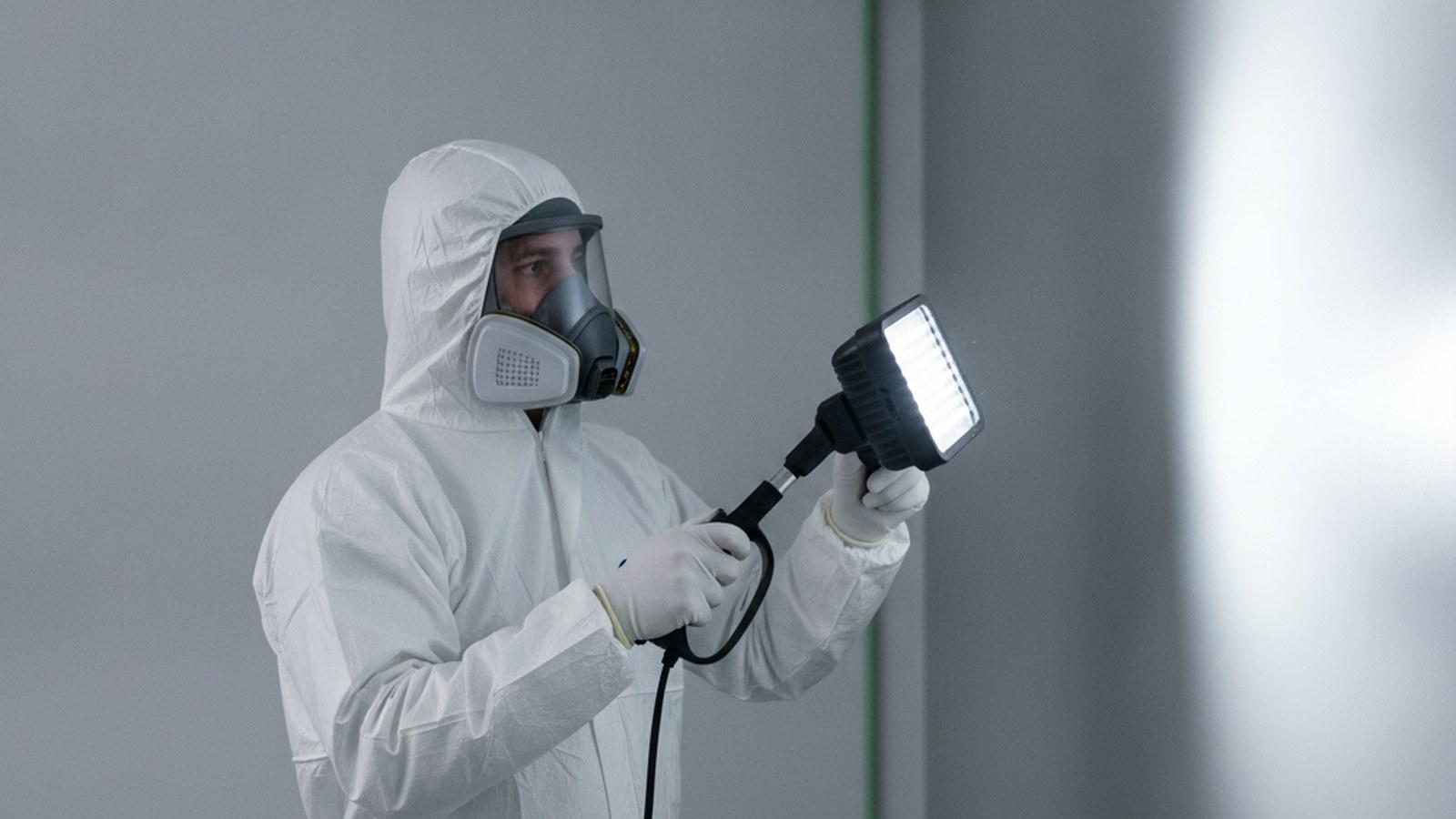
Required by contract, not just prudent
Beyond the real exposure, more owners and GCs require CPL — often naming themselves as additional insured — before you can bid or start. If a contract mentions pollution coverage, that's your signal.
- Contractors pollution liability for your operations
- Site pollution liability for yards, shops, and facilities
- Mold & fungi coverage where moisture is involved
- Transported-pollutants coverage for hauling
- Combined CPEO for design-build and consulting
- Additional-insured endorsements for owners and GCs
Explore each coverage
The full environmental coverage matrix, explained.
Not sure if you need CPL? Let's find out.
Tell us about your operations and we'll assess your pollution exposure — and recommend only the coverage you actually need.